

Feeling tight doesn’t always mean your muscles need more stretching.
You finish a workout, and your hamstrings feel tight. You stretch, feel some relief, but the tightness returns the next day.
While stretching can help, feeling tight doesn’t necessarily mean your muscles are too short. Understanding what causes that sensation can help you take a more effective approach to mobility and recovery.
Tightness Isn’t Always a Flexibility Problem
Muscle tightness describes how a muscle feels, not necessarily its physical condition. You can have excellent flexibility and still experience tightness after exercise.
Several factors can contribute to this sensation, including muscle fatigue, recent activity, tissue stiffness (the physical resistance of muscles and connective tissues to stretching), and how your nervous system processes sensory information.
Feeling tight doesn’t automatically mean you need to improve your flexibility.
The Role of Your Nervous System
Your muscles and nervous system constantly exchange information about movement, tension, and discomfort.
When you stretch, sensory receptors provide information that influences how far you’re comfortable moving. Researchers call one aspect of this stretch tolerance—the amount of stretching tension or discomfort you can tolerate.
With consistent, controlled stretching, your body can gradually become more tolerant of these sensations, allowing you to move farther before experiencing the same level of discomfort.
This is one reason flexibility can improve without your muscles physically becoming longer. Research also suggests that stretching can reduce tissue stiffness, meaning both mechanical changes and increased stretch tolerance can contribute to greater range of motion. [1]
The takeaway? Improving flexibility isn’t always about stretching harder. Consistency, gradual progression, and comfortable movement are important.
Why Stretching Isn’t Always Enough
Stretching can improve flexibility and temporarily relieve stiffness, but it doesn’t address every possible cause of tightness.
After a demanding workout, muscles may feel fatigued or uncomfortable even if their flexibility hasn’t changed. Repeatedly stretching those muscles won’t necessarily resolve the underlying fatigue.
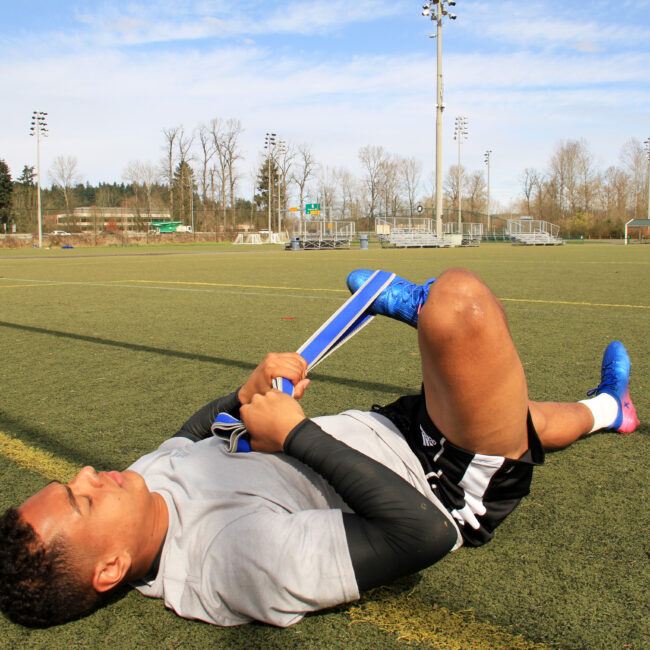
If tightness consistently follows exercise, consider your training intensity, rest, and recovery habits. Dynamic stretching, which involves controlled movements through a range of motion, may also help improve mobility and prepare muscles for activity. Tools like a stretch band can also support controlled, assisted stretching, while strengthening can help build control throughout that range.
Mobility, strength, and recovery work together. Stretching is one useful tool, but it doesn’t have to be your only approach.
Try This Before You Stretch Again
If your hamstrings feel tight after exercise, for example, try combining gentle movement, self-massage, and muscle activation rather than immediately pushing into a deeper stretch.
- MOVE — 60 seconds
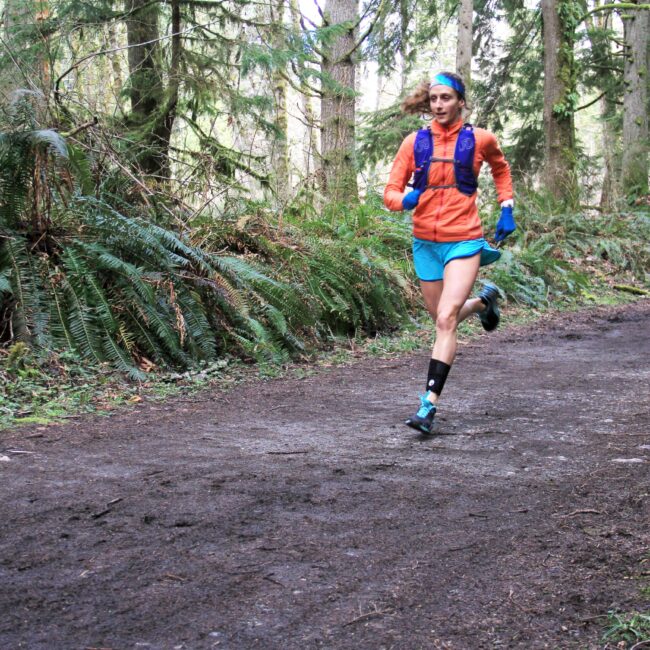
Start with easy walking or gentle dynamic stretches, such as controlled leg swings, moving through a comfortable range of motion. Notice whether the tightness changes as you move.
- ROLL — 30–60 seconds
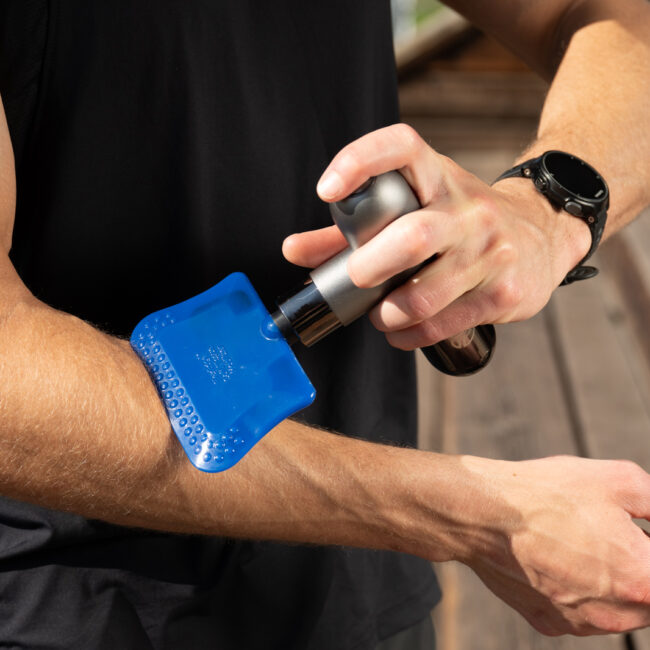
Use a massage tool or your hands to massage along the hamstrings with comfortable pressure. Self-massage may temporarily improve range of motion. Avoid sharply painful areas. [2]
- ACTIVATE — 8–10 repetitions
Perform slow, controlled body weight hip hinges. Keep your knees slightly bent, move your hips backward, and return to standing.
Afterward, reassess how your muscles feel. The goal isn’t to force a deeper stretch, but to encourage comfortable, controlled movement.
The above example is referencing Hamstring tightness but the main point of Move, Roll and Activate can be applied to most muscle recovery protocols.
Thinking Beyond the Stretch
Long-term mobility involves more than flexibility alone. Regular movement, strengthening through comfortable ranges of motion, and appropriate recovery all contribute to how your body moves and feels.
Research suggests foam rolling can temporarily improve range of motion, with effects comparable to stretching in some studies. [2]
Recovery tools don’t need to physically lengthen muscles to provide benefits.
The Bottom Line
Not every tight muscle needs a deeper stretch.
The next time you experience tightness, consider what your body has been doing and how it responds to different approaches. Gentle movement, strengthening, stretching, and recovery can each play a role.
Better mobility isn’t just about how far you can stretch. It’s about moving comfortably and consistently.
References
[1] Ingram LA, et al. (2025). Mechanisms Underlying Range of Motion Improvements Following Acute and Chronic Static Stretching: A Systematic Review, Meta-analysis and Multivariate Meta-regression. Sports Medicine. https://pubmed.ncbi.nlm.nih.gov/40180774/
[2] Wilke J, et al. (2020). Acute Effects of Foam Rolling on Range of Motion in Healthy Adults: A Systematic Review with Multilevel Meta-analysis. Sports Medicine. https://pubmed.ncbi.nlm.nih.gov/31628662/
[3] Wiewelhove T, et al. (2019). A Meta-Analysis of the Effects of Foam Rolling on Performance and Recovery. Frontiers in Physiology. https://pubmed.ncbi.nlm.nih.gov/31024339/